

Rock Climbing Finger Pain: Causes, Warning Signs, and When to See a PT
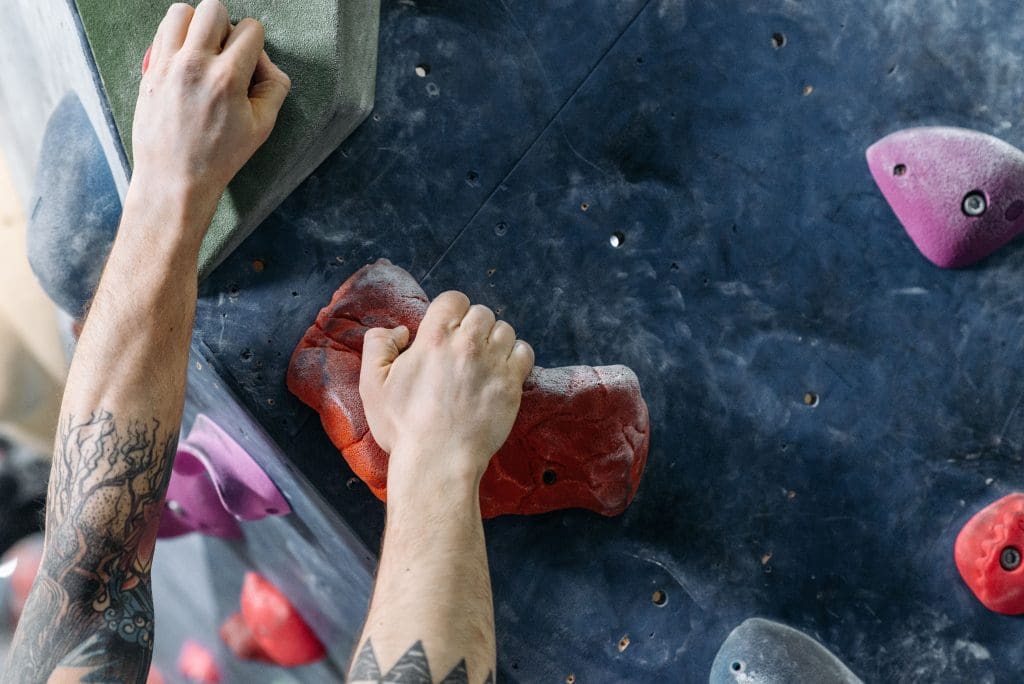
Rock climbing is one of the fastest growing sports in the world, and for good reason. It combines strength, endurance, problem solving, and technique into one incredibly rewarding activity. But climbing places unique demands on the hands, and rock climbing finger pain is one of the most common complaints we see from climbers at our River North clinic.
If you have noticed pain after a session at the gym or on the wall, here is what you should know.
Why Do Climbers Get Finger Pain?
Unlike most sports, climbing pushes an enormous amount of force through very small joints and tissues. Every crimp, pinch, and pocket asks your fingers to support a large percentage of your body weight.
Over time, this can overload structures including:
- Finger flexor tendons
- Tendon pulleys, the small ligaments that hold the tendons close to the bone
- Finger joints
- Collateral ligaments
- The tendon sheath
Occasional soreness after a hard climbing session is normal. Persistent rock climbing finger pain is not.
Common Causes of Finger Pain in Climbers
Pulley Injuries
One of the most recognizable climbing injuries is a pulley strain or tear, often called climber’s finger. The A2 pulley is the most frequently injured.
You may experience:
- A sudden pop while pulling on a hold
- Sharp pain during climbing
- Tenderness when pressing on the finger
- Pain with crimping
- Swelling
The ring finger and middle finger are most commonly affected because they absorb the highest forces in a crimp position.
Tendon Irritation (Tendinopathy)
Rather than a sudden injury, finger tendon pain from climbing usually develops gradually.
Symptoms often include:
- Morning stiffness
- Pain that improves after warming up
- Aching after climbing
- Pain when gripping objects
This typically develops when training volume increases faster than the tendons can adapt.
Joint Sprains
Finger joints can become irritated from repeated twisting forces or awkward falls, which is common in bouldering.
Symptoms may include:
- Swelling around the joint
- Pain with side to side movement
- Stiffness
- Difficulty fully bending or straightening the finger
Skin and Soft Tissue Irritation
Sometimes the pain is not coming from the tendons or joints at all. Calluses, skin splits, or bruising can make gripping uncomfortable and may change how you load your fingers.
Is Finger Soreness After Climbing Normal?
Some soreness is expected, especially if you have:
- Tried harder grades
- Increased your training volume
- Returned after taking time off
Pain is more concerning if it:
- Lasts more than 24 to 48 hours
- Gets worse every climbing session
- Prevents you from gripping normally
- Causes swelling
- Is associated with a popping sensation
- Makes everyday tasks painful
Pain that changes how you climb often leads to compensation patterns, which increases the risk of injury elsewhere in the hand, wrist, elbow, or shoulder.
Should You Keep Climbing With Finger Pain?
The answer depends on the injury.
For mild tendon irritation, completely stopping activity is often unnecessary. In many cases, reducing climbing intensity while beginning an appropriate rehabilitation program allows the tissue to recover without significant loss of strength.
For a suspected pulley tear or a significant joint injury, climbing through pain can make recovery much longer.
A physical therapist can help determine:
- Which structures are injured
- Whether it is safe to continue climbing
- How much to modify your training
- When it is appropriate to return to full climbing
How to Prevent Climbing Finger Injuries
A few simple habits can significantly lower your injury risk:
- Warm up for at least 15 to 20 minutes before climbing
- Increase climbing volume gradually instead of making large jumps
- Avoid excessive crimping every session
- Incorporate open hand grip positions when possible
- Build forearm and finger strength progressively
- Schedule recovery days between hard climbing sessions
- Do not ignore persistent finger pain
Your tendons adapt much more slowly than your muscles. Your forearms may feel ready for harder climbs while your connective tissue is still catching up.
When to See a Physical Therapist for Finger Pain
If rock climbing finger pain has lasted more than a week, keeps returning, or limits your climbing, it is worth getting evaluated.
Early treatment can help:
- Identify the specific injury
- Reduce pain
- Restore grip strength
- Improve finger mobility
- Develop a safe return to climbing plan
- Prevent recurring injuries
Many climbing injuries respond very well to conservative treatment when addressed early. In Illinois, direct access means you can see a physical therapist without a physician referral, so you do not have to wait to get started.
Frequently Asked Questions About Climbing Finger Pain
How long does a climbing pulley injury take to heal?
A mild pulley strain often settles within four to six weeks with load management and progressive loading. A complete tear can take three months or longer and should be evaluated promptly.
Can I still train while my finger heals?
Usually yes, with modifications. Many climbers continue training with jug holds, open hand grips, reduced volume, and lower body or core work while the injured tissue recovers.
Should I tape my finger while climbing?
Taping can provide comfort and feedback, but it does not meaningfully unload an injured pulley on its own. It works best alongside a structured rehab plan rather than as a substitute for one.
What is the difference between soreness and injury?
Soreness is diffuse, fades within a day or two, and does not affect grip strength. Injury tends to be localized to one spot, lingers, and worsens with each session.
Final Thoughts
Finger pain does not automatically mean you need to stop climbing, but it does mean your body is asking for attention.
The goal is not simply to make the pain disappear. It is to understand why it developed, improve the capacity of the injured tissue, and help you return to climbing stronger and with more confidence.
If you are dealing with persistent finger pain, do not wait until it becomes a bigger problem. Early assessment and the right rehabilitation plan can keep you climbing for years to come.
Ready to get evaluated? Dynamic Physical Therapy Chicago-River North offers one on one care for climbers in River North, Chicago. Schedule an appointment here, call us at 312-643-1555, or email info@dynamic-pt.com.