TMJ Physical Therapy in River North, Chicago
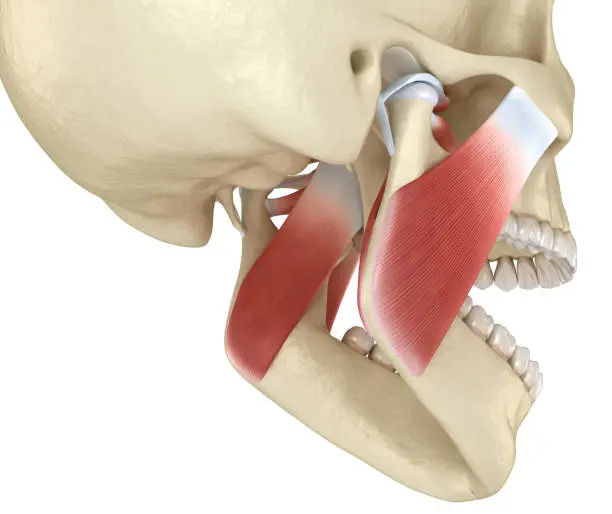
The temporomandibular joint (TMJ) connects your jaw to your skull, and you use it every time you talk, chew, or yawn. When the joint or the muscles around it aren’t working well, you may notice jaw pain, clicking or popping, difficulty opening your mouth fully, or headaches that won’t go away. At Dynamic Physical Therapy, every visit is a full hour, one-on-one with the same physical therapist, so we have time to assess your jaw, neck, and posture together and build a plan that addresses the cause, not just the symptoms.
Illinois is a direct access state, so you can start physical therapy without a doctor’s or dentist’s referral.
Common Signs of TMJ Dysfunction
- Pain in the jaw, face, or in front of the ear
- Clicking, popping, or grinding when you open or close your mouth
- Jaw that locks, catches, or feels stuck
- Difficulty opening your mouth fully or chewing comfortably
- Headaches, especially at the temples
- Neck and shoulder tension
- Ear fullness or pain without an ear infection
What Causes TMJ Pain?
TMJ dysfunction often has more than one contributor. Common causes include clenching or grinding your teeth, especially at night or under stress; tension in the muscles of the jaw, face, and neck; forward head posture from long hours at a desk or on your phone; changes in the joint’s disc; arthritis; and past jaw or neck injuries. Because the jaw and neck work closely together, neck problems frequently play a role in jaw pain.
How Physical Therapy Helps
Your evaluation looks at how your jaw opens and closes, the muscles of your jaw, face, and neck, your posture, and daily habits that may be adding strain. Treatment may include:
- Manual therapy to reduce muscle tension and improve jaw and neck mobility
- Targeted exercises to restore smooth, controlled jaw movement
- Neck and postural strengthening to take pressure off the jaw
- Dry needling for tight, painful muscles
- Habit and self-care strategies for clenching, chewing, sleep position, and stress
When it helps, we coordinate with your dentist, orthodontist, or physician, including if you use a night guard.
Meet Our TMJ Specialist
Sarah Kemmerer, PT, DPT, OCS, leads TMJ care at Dynamic Physical Therapy. Sarah completed an orthopedic residency and is a board-certified orthopedic clinical specialist (OCS). She evaluates the jaw, neck, and posture together to find what’s driving your symptoms. Sarah also treats patients with hypermobility disorders, where jaw problems are common, so she’s especially well suited if your joints tend to be loose or unstable. Learn more about hypermobility.
TMJ, Headaches, and Neck Pain
Jaw pain rarely happens in isolation. Many patients with TMJ dysfunction also have tension headaches or neck pain, and treating all three together usually works better than treating any one alone. Learn more about our approach to neck pain.
Frequently Asked Questions
Do I need a referral for TMJ physical therapy?
No. Illinois allows direct access to physical therapy, so you can book an evaluation without a referral.
How long does TMJ physical therapy take?
It depends on the cause and how long you’ve had symptoms, but many patients notice improvement within the first few visits. Your therapist will give you a clear plan at your evaluation.
Will physical therapy help if I already wear a night guard?
Yes. A night guard protects your teeth, while physical therapy addresses the muscles, joint mechanics, posture, and habits behind the pain. The two often work well together.
Get Relief From Jaw Pain
Book a one-on-one evaluation with our physical therapy in River North team. No referral needed. We’re in-network with Blue Cross Blue Shield and will verify your benefits before your first visit. We also work with other insurance plans through out of network benefits, and we offer self pay rates.