
Hypermobility, EDS, and HSD: Why Being Too Flexible Affects More Than Your Joints

When we think of someone being hypermobile, we typically picture someone who is extremely flexible. Maybe they can bend their thumb back to their wrist, hyperextend their elbows, or easily drop into the splits. While flexibility is often considered a good thing, having too much mobility in our joints can sometimes create more problems than we might expect.
For some people, hypermobility is simply a characteristic of their body and doesn’t cause any issues. For others, it can lead to chronic pain, joint instability, frequent injuries, and even symptoms that don’t seem related to their joints at all. This is particularly true for individuals with Hypermobility Spectrum Disorder (HSD) or Ehlers-Danlos Syndrome (EDS), and it is a big part of why hypermobility physical therapy looks different from standard rehab.
So why can something as simple as having extra flexibility affect so many different parts of the body?
What Is Hypermobility?
Our joints are supported by a combination of muscles, tendons, ligaments, and joint capsules. While our muscles actively help control movement, our ligaments and joint capsules provide passive stability, preventing our joints from moving too far in any one direction.
In individuals with hypermobility, these passive structures may allow more movement than what is typically expected. This means the muscles surrounding a joint may have to work harder to provide stability and control. Over time, this can contribute to muscular fatigue, joint irritation, and pain, particularly if someone has difficulty controlling their movement at the end of their available range.
However, not everyone who is hypermobile experiences these symptoms. It is when hypermobility begins to affect someone’s daily life that we start considering conditions such as HSD or EDS.
What Is Ehlers-Danlos Syndrome (EDS)?
Ehlers-Danlos syndromes are a group of inherited connective tissue disorders that can affect the skin, joints, and other structures throughout the body. Connective tissue is essentially what helps hold our body together. It provides support to our joints, blood vessels, organs, skin, and many other structures.
One of the primary components of connective tissue is collagen, a protein that provides strength and structure throughout the body. In many forms of EDS, genetic differences affect the structure or function of connective tissue.
Hypermobile Ehlers-Danlos Syndrome (hEDS), the form most commonly encountered in physical therapy, does not currently have an identified genetic cause or diagnostic genetic test. Individuals with hEDS may experience excessive joint mobility, recurrent joint instability, chronic pain, and a variety of symptoms involving other body systems.
What Is Hypermobility Spectrum Disorder (HSD)?
HSD is a condition that can cause similar symptoms in individuals with symptomatic hypermobility who do not meet the diagnostic criteria for hEDS. Because connective tissue is found throughout our entire body, the symptoms associated with hypermobility may extend far beyond our muscles and joints.
Conditions Commonly Seen With Hypermobility and EDS
1. POTS and Dysautonomia
Have you ever stood up too quickly and felt a little lightheaded? For some individuals with hypermobility, this sensation can happen frequently and may be accompanied by a racing heart, fatigue, or difficulty tolerating exercise.
One condition that is commonly associated with hEDS and HSD is Postural Orthostatic Tachycardia Syndrome (POTS). POTS is a form of dysautonomia, meaning there is dysfunction in the autonomic nervous system. This is the part of our nervous system responsible for regulating functions that we don’t consciously control, such as our heart rate, blood pressure, digestion, and body temperature.
In individuals with POTS, standing upright causes an excessive increase in heart rate and symptoms of orthostatic intolerance. This can make everyday activities such as standing in line, taking a hot shower, or exercising much more difficult than we might expect.
From a physical therapy standpoint, this is important because a patient who becomes dizzy or unusually fatigued during exercise may not simply be out of shape. They may have an underlying issue affecting how their body responds to being upright. For patients with diagnosed POTS, rehabilitation may initially involve more seated or recumbent exercise before gradually progressing to upright activities.
2. Gastrointestinal Issues
Another common complaint among individuals with hEDS and HSD is gastrointestinal dysfunction. Symptoms may include bloating, constipation, acid reflux, abdominal pain, nausea, or irritable bowel syndrome (IBS).
So what does being hypermobile have to do with your digestive system? Our gastrointestinal tract contains connective tissue, smooth muscle, and an extensive network of nerves that work together to move food through our digestive system. In some individuals with hypermobility, differences in gastrointestinal function, autonomic nervous system regulation, and gut-brain interactions may contribute to digestive symptoms.
While we don’t fully understand why these conditions overlap, gastrointestinal complaints are reported more frequently in individuals with symptomatic hypermobility. These issues can also affect physical therapy. If someone is constantly experiencing abdominal discomfort, struggling to eat adequately, or dealing with significant fatigue, their ability to tolerate exercise and recover from activity may be affected.
3. Mast Cell Activation Syndrome (MCAS)
Mast Cell Activation Syndrome, or MCAS, is another condition that is often discussed in relation to EDS and POTS. Mast cells are part of our immune system and help regulate inflammatory and allergic responses. In MCAS, these cells release chemical mediators inappropriately, which can cause symptoms such as flushing, itching, hives, abdominal discomfort, and changes in blood pressure.
You may have heard of the combination of EDS, POTS, and MCAS being referred to as a triad. However, while these conditions have been reported together, research has not yet established a clear biological connection between all three. The presence of hypermobility or POTS does not automatically mean someone has MCAS. Because these symptoms can overlap with many other conditions, proper medical evaluation is important.
4. Chronic Pain and Fibromyalgia
One of the most common reasons individuals with hypermobility seek physical therapy is chronic pain. When our joints have more movement available than they can effectively control, the surrounding muscles may need to work harder to maintain stability.
Think about standing on one leg. For someone with good joint stability and motor control, this may require relatively little effort. For someone with significant joint instability, their muscles may need to make more frequent adjustments to maintain the same position. Now imagine that happening throughout multiple joints during an entire day.
This increased muscular demand may contribute to fatigue and discomfort, although it is not the only reason individuals with hypermobility experience pain. Some patients also develop central sensitization, a process in which the nervous system becomes more sensitive to incoming signals. Essentially, the nervous system can become more reactive, causing movements or sensations that would not typically be painful to produce discomfort.
This may help explain why some individuals with hypermobility experience widespread pain even when there is no obvious new injury. Fibromyalgia and chronic widespread pain are also frequently reported in patients with hEDS and HSD.
5. TMJ Dysfunction
Our temporomandibular joint, or TMJ, is the joint responsible for opening and closing our mouth. Just like our shoulders, knees, and ankles, the TMJ relies on a combination of ligaments and muscles to provide stability and control. In individuals with generalized hypermobility, the TMJ may also demonstrate excessive movement.
This can contribute to symptoms such as jaw clicking, popping, pain with chewing, headaches, and occasionally jaw locking. Interestingly, some patients with TMJ dysfunction report feeling as though their jaw muscles are constantly tight.
While stretching may seem like the obvious solution, the problem isn’t always a lack of mobility. Sometimes the muscles surrounding the jaw are working harder to control a joint that already has plenty of movement. In these cases, improving muscular coordination and joint stability may be more beneficial than simply trying to increase flexibility.
6. Pelvic Floor Dysfunction
The pelvic floor is another area that can be affected by symptomatic hypermobility. Our pelvic floor consists of muscles and connective tissues that support our pelvic organs and help control bladder and bowel function. Individuals with hEDS and HSD may experience symptoms such as urinary incontinence, pelvic pain, constipation, or pelvic organ prolapse.
And just like other areas of the body, these symptoms aren’t always caused by weakness. Some individuals may actually have increased pelvic floor muscle tension or difficulty coordinating their muscles appropriately. This is why pelvic floor rehabilitation often involves more than simply strengthening the muscles. Depending on the individual, treatment may focus on coordination, relaxation, strength, or a combination of all three.
Why Do Hypermobile People Feel Tight?
One of the more interesting things we see in physical therapy is that individuals with hypermobility frequently complain of feeling tight. At first, this seems a little contradictory. How can someone who has excessive flexibility also feel like their muscles are constantly tight?
The answer may have more to do with stability than mobility. Our muscles don’t just produce movement. They also help stabilize our joints. When passive structures such as ligaments and joint capsules provide less restraint, the surrounding muscles may have to contribute more to maintaining control. In some individuals, this can contribute to increased muscular guarding or a sensation of tightness.
Feeling tight does not necessarily mean a muscle needs to be stretched. If a joint already has excessive mobility, repeatedly stretching into its end range may not address the underlying problem and can sometimes aggravate symptoms. Instead, improving strength, proprioception, and motor control may help reduce the demands being placed on the surrounding muscles.
Should Hypermobile People Stretch?
How Hypermobility Physical Therapy Can Help
When treating individuals with hypermobility, our goal isn’t necessarily to make them less flexible. Instead, we want to improve their ability to control the mobility they already have.
Strengthening. One of the biggest components of rehabilitation is strengthening. By improving the strength and endurance of the muscles surrounding a joint, we can help provide additional dynamic stability and improve how that joint tolerates everyday activities.
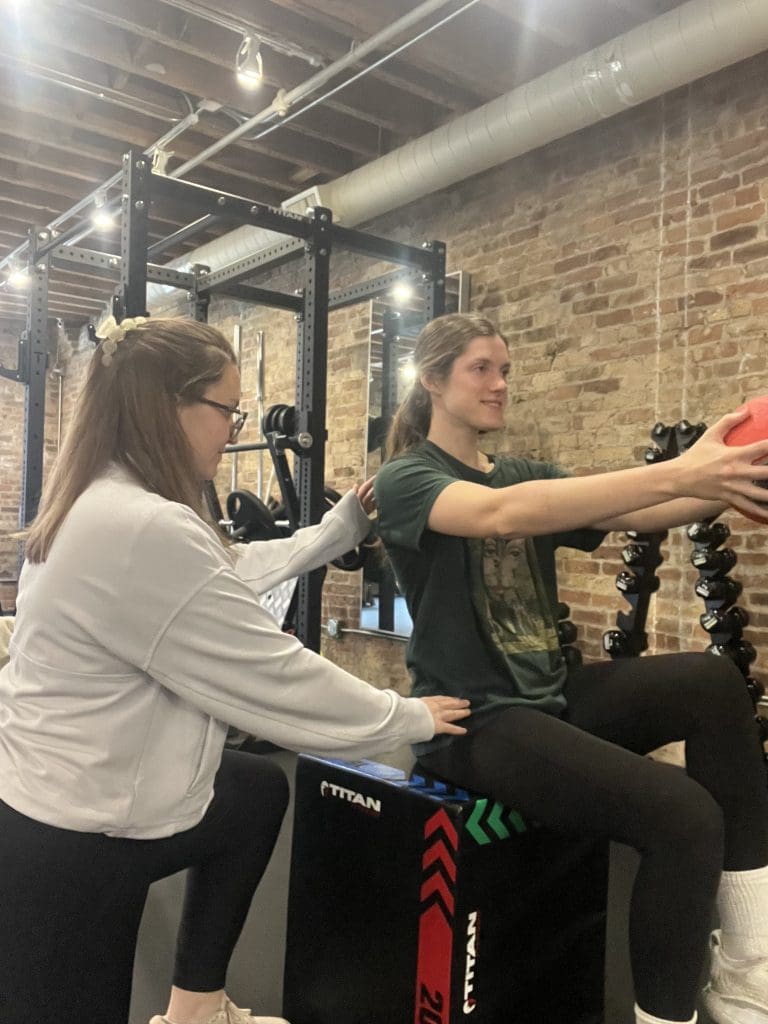
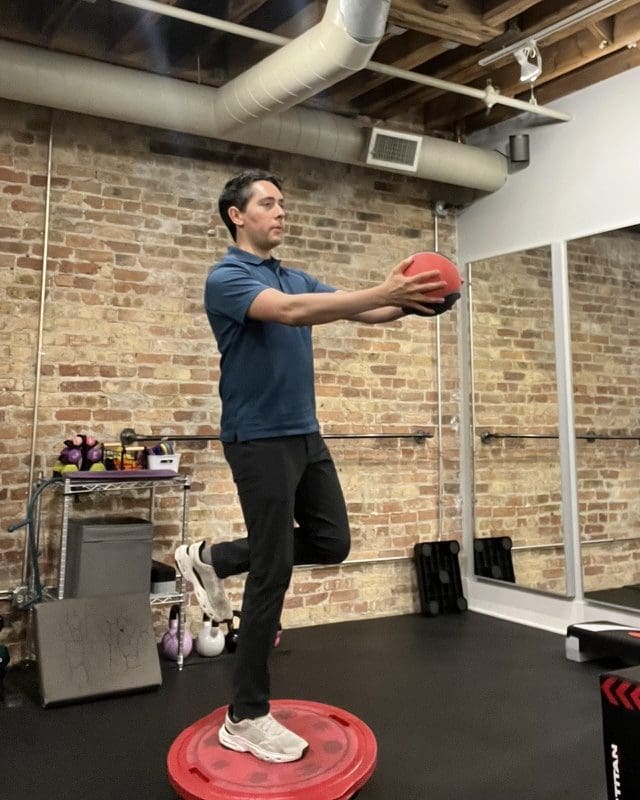
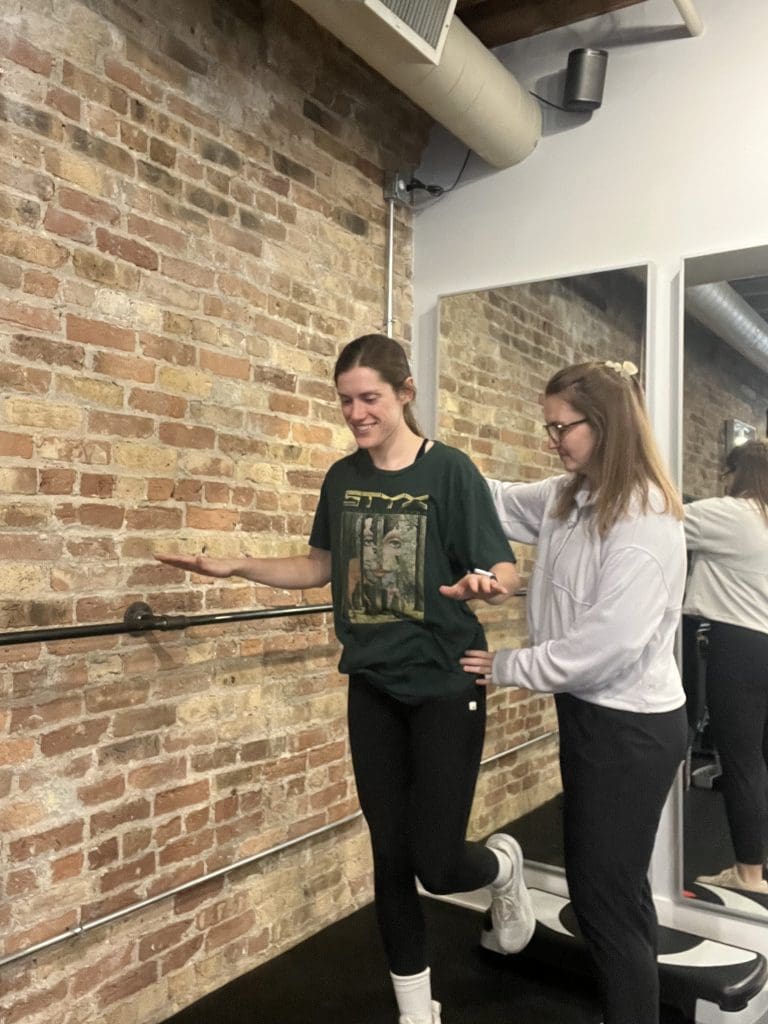
Proprioception. Another important component is proprioception, which is our body’s ability to recognize where it is positioned in space. For example, if you close your eyes and bend your elbow, your brain can still recognize approximately where your arm is without needing to look at it. Some individuals with symptomatic hypermobility have difficulty accurately sensing joint position, particularly near the end of their available range of motion. This may make it harder to recognize when a joint is moving into a position that places additional stress on its passive structures. Through balance training, controlled strengthening, and movement retraining, we can work on improving both joint awareness and muscular control.
Pacing. For individuals experiencing chronic pain, fatigue, or autonomic symptoms, we may also need to modify how quickly we progress exercises. Rather than pushing through significant symptom exacerbations, we want to gradually build strength and activity tolerance in a way that is sustainable.
Intentional stretching. Stretching isn’t necessarily bad for someone who is hypermobile, but it should be used intentionally rather than automatically treating every sensation of tightness with more mobility.
Frequently Asked Questions About Hypermobility
Can physical therapy help hypermobility? Yes. Physical therapy for hypermobility focuses on strength, proprioception, and motor control so you can better control the motion you already have, rather than trying to make your joints less flexible.
Should I stretch if I am hypermobile? Not automatically. Tightness in hypermobile people often comes from muscles working hard to stabilize a joint. Strengthening and stability work are usually more helpful than stretching further into end range.
What is the difference between hEDS and HSD? Both involve symptomatic hypermobility. hEDS has specific diagnostic criteria, while HSD describes people with symptomatic hypermobility who do not meet those criteria.
Do I need a referral to see a physical therapist in Illinois? In many cases, no. Illinois allows direct access to physical therapy, so you can schedule an evaluation without a physician referral.
The Takeaway
Hypermobility is much more than simply being flexible. For some individuals, it can affect how their joints move, how their muscles function, and even how other systems throughout their body respond to everyday activities.
Conditions such as POTS, gastrointestinal dysfunction, chronic pain, TMJ dysfunction, and pelvic floor disorders are all important to consider when working with individuals with hEDS or HSD. That doesn’t mean every person with hypermobility will experience these conditions, or that every symptom is caused by their connective tissue. But recognizing these associations can help us better understand the bigger picture.
As physical therapists, it’s important that we don’t just look at the joint that hurts. We need to consider how the entire body is functioning and what may be contributing to someone’s symptoms. Because sometimes the answer to improving mobility isn’t gaining more motion. It’s learning how to better control the motion we already have.
Hypermobility Physical Therapy in Chicago
At Dynamic Physical Therapy in River North, every visit is a full hour of one-on-one care with a licensed physical therapist. That time lets us look at the whole picture, from joint stability and proprioception to pacing around POTS or fatigue. If you are hypermobile or living with hEDS or HSD and want a plan built around your body, schedule an evaluation today.
If you’re hypermobile and dealing with joint pain, instability, or that constant feeling of tightness, we can help you build the strength and control your joints need. Schedule an appointment online, call us at 312.643.1555, or email info@dynamic-pt.com.
Dynamic Physical Therapy • https://dynamic-pt.com • 220 W Huron St Suite 2004, Chicago, IL 60654