

How to Counteract the Effects of Prolonged Sitting (PT-Backed Mobility Tips)
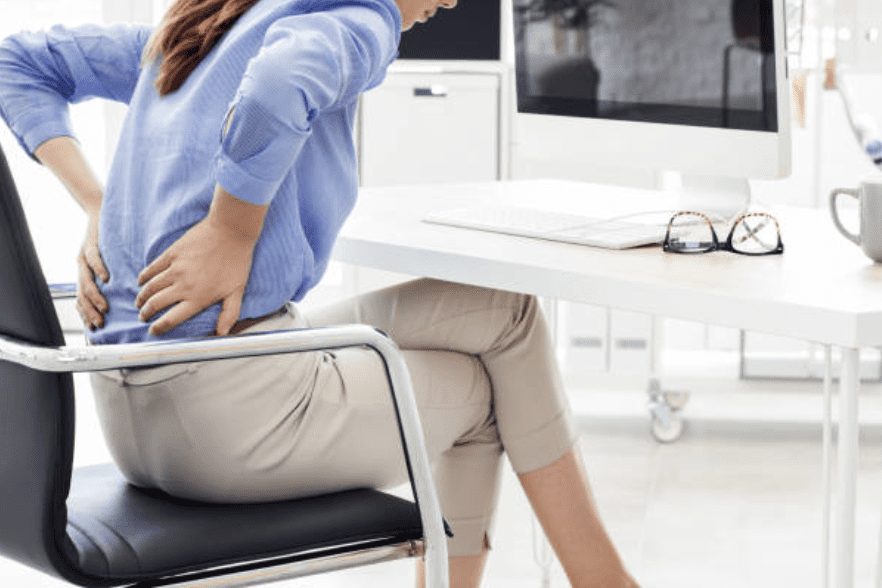
Modern life makes sitting unavoidable. Whether you’re working at a desk, commuting, or unwinding with a screen, hours can slip by with very little movement. It may feel harmless in the moment, but prolonged sitting quietly stresses your muscles and joints—often leading to tension, stiffness, and reduced mobility over time.
The Hidden Impact of Sitting Too Long
When you sit for extended periods, your body adapts to that position—often in ways that aren’t ideal.
1. Muscle Imbalances Develop. Sitting holds your hips in a flexed position, which shortens the hip flexors and weakens the glutes. Meanwhile, your upper back muscles can become overstretched while your chest tightens—especially if you hunch forward. These imbalances drive chronic tension and poor posture.
2. Reduced Blood Flow and Oxygenation. Movement circulates blood and delivers oxygen to your muscles. Sitting for long stretches slows this process, contributing to stiffness and tightness, particularly in the legs and lower back.
3. Joint Compression and Limited Range of Motion. Joints are designed to move. When they don’t, surrounding tissues lose elasticity. Over time, this reduces your range of motion and makes everyday movements feel restricted.
4. Increased Strain on the Spine. Slouching or leaning forward shifts extra load onto your spine—especially the lower back and neck. The result is often tension headaches, back discomfort, and stiff shoulders.
Signs Your Body Is Feeling the Effects
- Tight hips or hamstrings
- Stiff neck and shoulders
- Lower back discomfort
- Difficulty standing up straight after sitting
- Reduced flexibility during movement
If these sound familiar, your body is likely asking for more movement throughout the day.
Simple Mobility Recommendations That Make a Difference
You don’t need an intense workout to undo the effects of sitting. Small, consistent movement breaks add up.
1. Follow the 30–60 Minute Rule. Stand up and move at least once every 30 to 60 minutes. Even a short walk or quick stretch resets your muscles and improves circulation.
2. Open Up the Hips. Try a gentle hip flexor stretch: step one foot forward into a lunge, keep your torso upright, and hold for 20–30 seconds per side. This helps reverse the shortened position caused by sitting.
3. Activate the Glutes. Glute bridges and bodyweight squats “wake up” muscles that go quiet during prolonged sitting.
4. Improve Thoracic Mobility. Counter upper-back stiffness with seated or standing torso twists, cat-cow stretches, and chest-opening stretches to restore spinal movement and ease shoulder tension.
5. Stretch the Hamstrings and Calves. Tightness in the back of the legs is common with sitting. Forward folds and gentle toe-touch stretches help maintain flexibility.
6. Adjust Your Workspace. Ergonomics matter. Aim for feet flat on the floor, screen at eye level, and shoulders relaxed—not hunched. If possible, alternate between sitting and standing with a height-adjustable desk.
Building a Sustainable Habit
The key isn’t perfection—it’s consistency. There’s no need to overhaul your routine overnight. Add one or two movement breaks to your day and build from there. Over time, these small actions reduce tension, improve mobility, and help your body feel more comfortable and resilient.
Final Thoughts
Your body thrives on movement. Sitting itself isn’t the problem—the lack of variation is. By building in regular mobility breaks and simple exercises, you can counteract stiffness, maintain flexibility, and support long-term joint health. If your day demands long hours at a desk, think of movement not as an extra task, but as an essential part of staying well.