
Quad Dominant vs. Glute Dominant: What It Means and Why It Matters for Knee and Low Back
Quad Dominant vs. Glute Dominant: What’s the Difference?
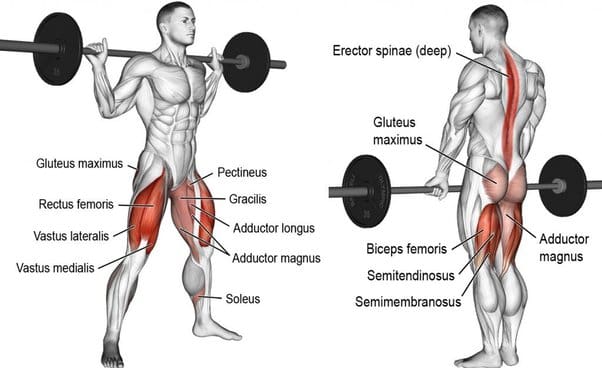
Whenever your body moves—during exercise, weightlifting, or everyday tasks like climbing stairs and squatting—you tend to rely on one of two muscle groups to power the movement. This is what trainers and physical therapists call being quad dominant or glute dominant.
- Quad-dominant movers primarily engage their quadriceps and drive movement through their knees.
- Glute-dominant movers rely on their glutes as the main engine for these same activities.
Knowing which pattern you default to is the first step toward moving more efficiently and protecting your joints.
Is Being Quad Dominant or Glute Dominant Bad?
Not necessarily. If you’re pain-free and injury-free, there’s no urgent reason to overhaul which muscles you’re firing.
That said, a strong preference for one muscle group can overload a specific joint or muscle over time—and that’s often where pain and injury begin.
How Quad Dominance Contributes to Knee Pain
Many people with patellofemoral knee pain are quad dominant. The constant pull of the quadriceps across the kneecap (patella) increases joint compression and can worsen pain over time. In these cases, physical therapy often focuses on teaching you to activate your glutes to offload the patellofemoral joint and calm symptoms down.
The Link Between Glute Activation and Low Back Pain
We see a similar pattern with low back pain. When the glutes are underactive—common in quad-dominant movers—people tend to lift using their lower back muscles instead. Strengthening the glutes and learning proper hip engagement reduces strain on the spine and helps protect it from injury.
Our Recommendation: Train for Balanced Muscle Dominance
Rather than favoring one muscle group, aim for balanced dominance—the ability to engage both your quads and glutes effectively and consciously switch between them depending on the exercise.
You can build this directly into your workouts. For example, during Bulgarian split squats, add a forward hinge at the torso to target your glutes more, then keep your trunk upright on the next set to emphasize your quads.
Exploring different forms and variations also strengthens your mind-muscle connection, making it easier to recruit the right muscles on demand. The payoff: if you ever face pain or injury down the road, you’ll already have the ability to shift load to another muscle group—instead of repeatedly stressing the one that may be driving your pain.
When we talk about how our bodies move—whether it’s during exercise, lifting heavy weights, or even daily activities like climbing stairs or squatting—people generally fall into one of two categories: “quad dominant” or “glute dominant” movers.
- Quad-dominant individuals tend to primarily engage their quadriceps (quads) and rely on their knees to power movements.
- Glute-dominant individuals, on the other hand, use their glutes as the primary muscles for these activities.
Is One Better Than the Other?
Not necessarily! If you’re not experiencing any pain or injuries, there’s no immediate need to worry about switching which muscles you’re activating.
However, a preference for one muscle group over the other can sometimes be associated with certain pains or injuries due to overloading a specific muscle or joint.
For example:
- Knee Pain: Many individuals with patellofemoral knee pain tend to be quad dominant. The constant pull of their quads over the kneecap (patella) can lead to continued joint overload and increased pain. In such cases, treatment often involves teaching individuals to engage their glutes more to offload the patellofemoral joint.
- Low Back Pain: We often see a similar pattern with low back pain. Individuals may lift by engaging their back muscles because they struggle to activate their glutes, often due to being very quad-dominant movers. By strengthening the glutes and teaching proper engagement, we can reduce the load on the back and better protect it from injuries.
Our Recommendation
Our recommendation is to strive for equal dominance, learning to engage both your quads and glutes effectively and consciously switch between them for different exercises.
This can be incorporated into your workouts. For instance, when doing Bulgarian split squats, you might add a hinge to your torso to target your glutes more, and then for the next set, keep your trunk more upright to emphasize your quads.
It’s beneficial to explore and work through various forms and variations of exercises. This also helps improve your mind-body connection to different muscle groups. Developing this adaptability means that if you do experience pain or an injury later, you’ll already have the ability to engage other muscle groups, rather than constantly relying on the one that might be contributing to your pain.
If you’re interested in learning more about exercising with quad and glute preferences, and how to train both muscle groups effectively, schedule an appointment here, call us at 312-643-1555, or email info@dynamic-pt.com.
Dynamic Physical Therapy • https://dynamic-pt.com • 220 W Huron St Suite 2004, Chicago, IL 60654
